Writer. Philosopher. Contrarian.

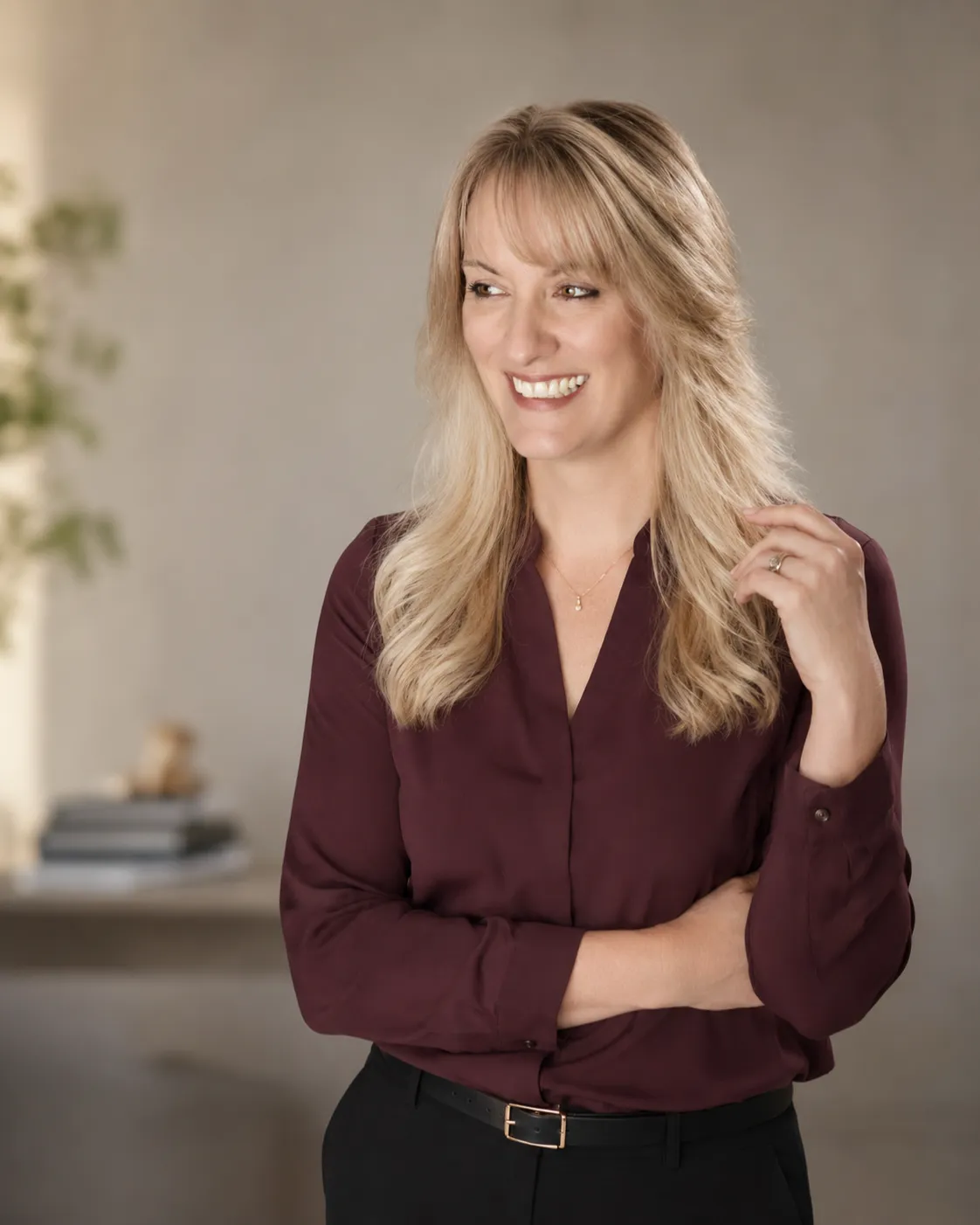

Dr. Victoria Lynn Schmidt’s Portfolio Links
Victoria is on a mission to make you question everything. It’s about Inner revolution, soul as resistance, and living our feminism everyday.
What changes when women begin asking their own questions about spirituality, enlightenment, and what it means to change the world?
Dr. Victoria Lynn Schmidt has spent years chasing those questions through philosophy, psychology, feminism, neuroscience, spirituality, celebrity, and her own life.
A twice-doctored philosopher and Harvard trained author of four books published by Random House, Victoria writes for women who are curious about the deeper questions of consciousness, meaning, and personal and cultural transformation.
Her essays, cultural criticism, memoir, and academic work explore this fascinating territory with a touch of wit. Animal welfare, human rights, and living her feminism in daily choices are also central to her work.
Sometimes the questions are serious. Sometimes they’re irreverent. Usually they lead somewhere unexpected as in – Who gets to define enlightenment? Who authored the reality we take for granted? And what changes when women enter the conversation?
FEATURED IN





Victoria’s Books:
Four books with Random House, translated into multiple languages.
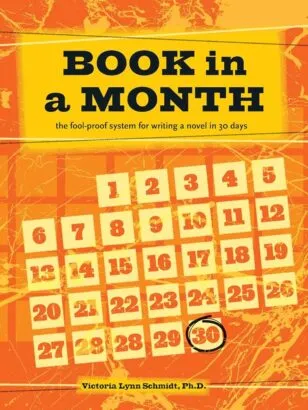
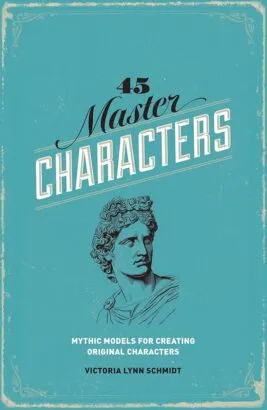
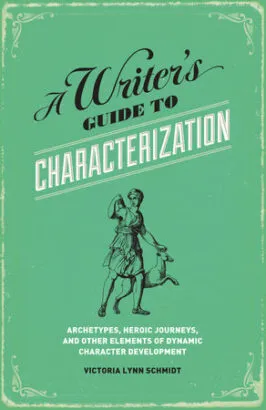
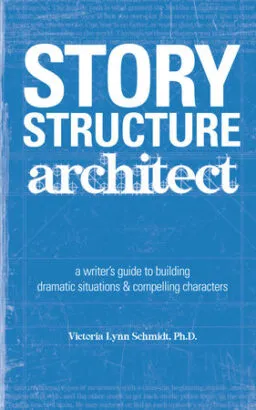
Book in a month
Writer’s Digest Magazine Issue Dedicated to Victoria’s Books
A Writer’s Digest Presents special issue ‘complete guide to a solid first draft’. Almost all articles were from Victoria’s books. Available on magazine stands worldwide.
Writing Samples
More to come


Victoria’s Graffiti
The Radical, Fun, Podcast is found on all major platforms. And the Substack companion has show notes, transcripts, bonuses, and a feed of episodes. Sign up on Substack for free to get episodes straight to your inbox.
On this show, we are throwing out the textbooks and spray-painting over the scripts we’ve been handed. We aren’t trying to become ‘better’ versions of ourselves in a system that doesn’t work-we are asking who authored our reality in the first place. Blending spiritual neuroscience, feminism, pop culture, ancient myths, and a lot of humor, we are tagging the status quo. Let’s ask some radical questions.
Where the show has all the notes, email sign up for episodes straight to your inbox. Transcripts, chats, notes, bonuses. You can also support the show with monthly contributions.
Interdisciplinary Research studies
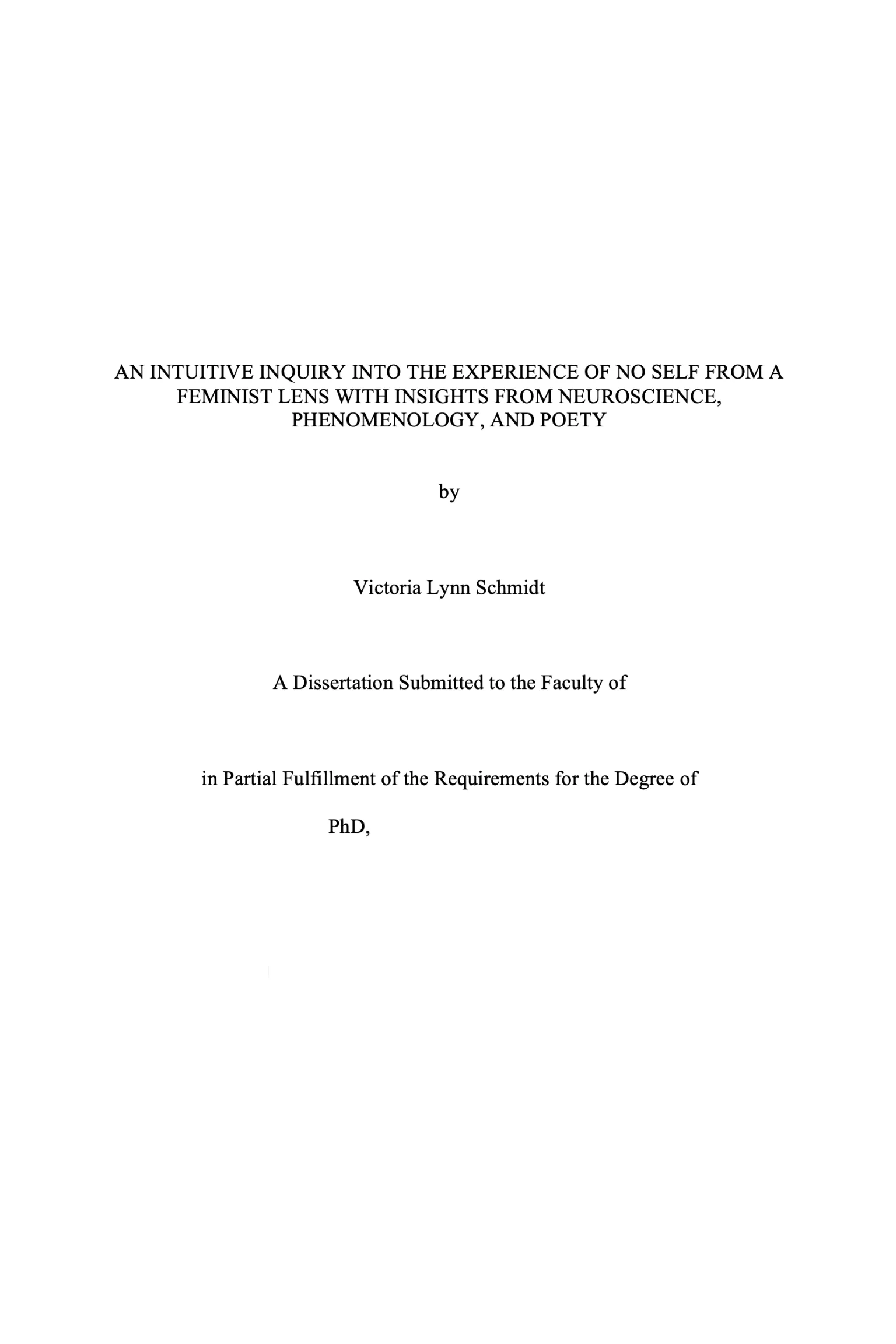
Victoria’s Dissertation
Doctoral Dissertation 230 pages, currently embargoed.
Spirituality has been part of Victoria’s life since childhood. Beginning around age nine, she experienced expanded states of awareness—and regularly annoyed her mother with questions about the nature of life, consciousness, and personal power.
Years later, those early experiences became subjects of doctoral research. Her dissertation explored spiritual experience and how women might enter a conversation about enlightenment that has historically been shaped largely by male voices. Interdisciplinary research, particularly Intuitive Inquiry, gave her a way to bring lived experience, scholarship, and the study of consciousness into the same room. Poetry was brought in to help describe the ineffable.